3D models now play a central role in modern construction. They give teams clear visual insight and accurate information from the first idea through long-term building use. They also support CAD and other survey outputs, creating a complete digital picture of every project. By using 3D models across the RIBA Plan of Work, teams improve clarity, coordination, and confidence at each stage.
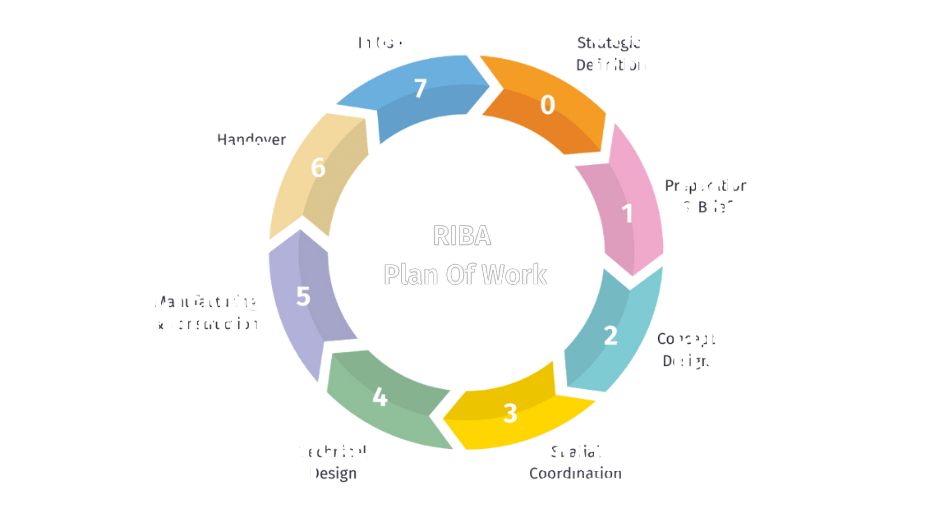
The RIBA stages are a framework outlining the key phases of a construction project, from initial concept to completion and beyond. They guide architects, clients, and contractors through strategic planning, design, technical development, construction, and post-occupancy, ensuring clear milestones and efficient project delivery at every step.
RIBA STAGE 0-1: STRATEGIC DEFINITION & PREPARATION AND BRIEF
Early decisions shape every project. 3D models help teams explore site limits, massing ideas, and project goals with clarity. Simple massing shapes show scale and form in seconds. Clients see real spatial choices rather than abstract lines on a page.
During Stage 1, 3D models support the creation of a strong project brief. Stakeholders can test basic layouts and building forms with ease.
They understand height, light, and space far earlier than with traditional documents alone. This clear understanding reduces confusion later and builds a shared vision for the project.
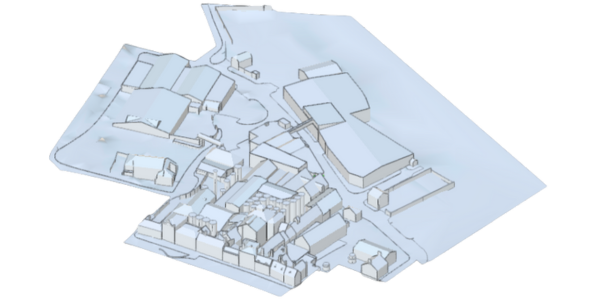
Shepherd Neame LOD 1 - Mass model
RIBA STAGE 2: CONCEPT DESIGN
Designers explore many ideas during Stage 2. 3D models let them test these ideas quickly and show them with clarity. Teams can examine daylight, orientation, access, and form. They also review early structural ideas and environmental concepts.
3D models help clients understand every option. They see shapes, volumes, and spaces in a realistic way. This clear communication speeds up feedback and agreement. The project moves forward with a design that everyone understands.
RIBA STAGE 3: SPATIAL COORDINATION
Stage 3 relies heavily on coordination. Architects, engineers, and service designers must align their work. 3D models give the team one shared environment for this coordination.
With 3D models, teams can check spatial relationships with precision. They see how beams, ducts, and walls interact before construction begins. They also reduce design conflicts and improve communication across disciplines. Planning approvals often benefit from these visual models because they show proposals in a clear and honest way.
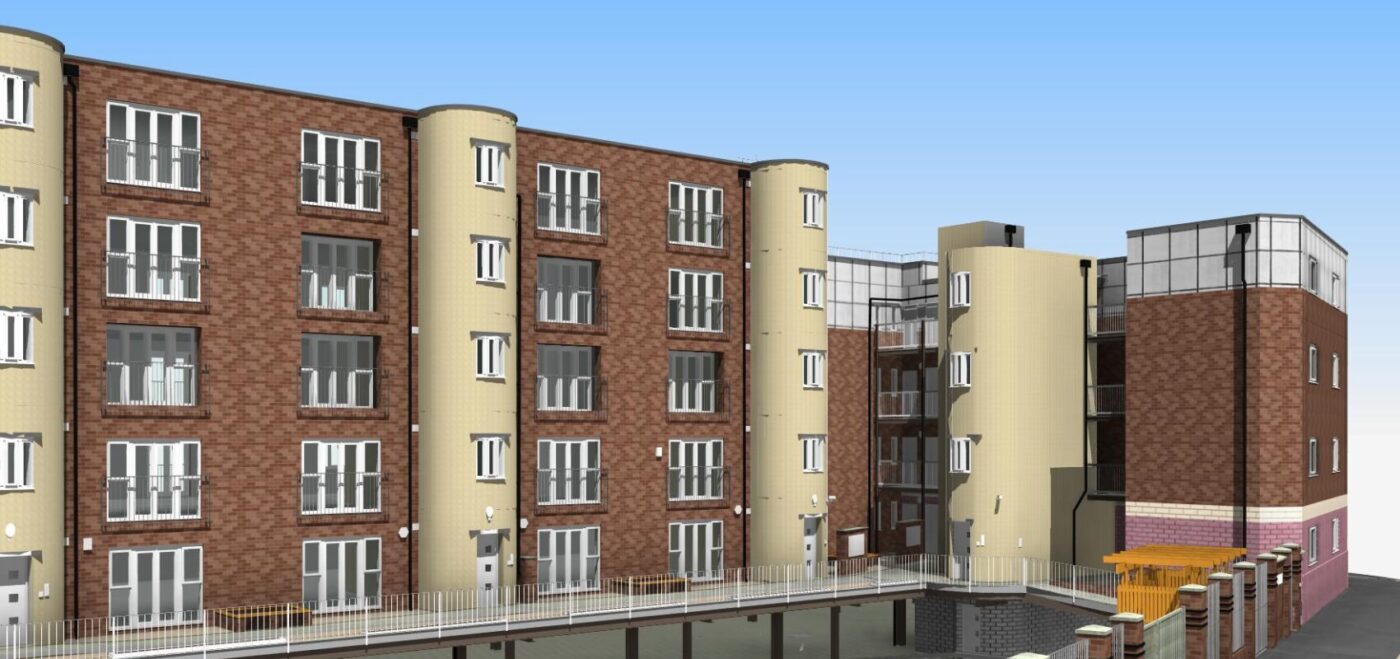
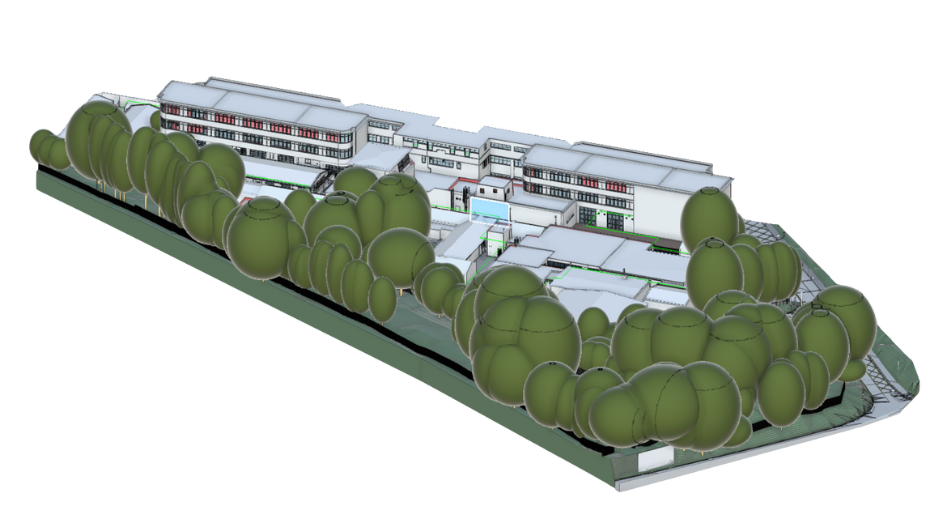
Kent & Canterbury LOD 3 Site Revit Model
RIBA STAGE 4: TECHNICAL DESIGN
Stage 4 demands detail and accuracy. 3D models support this step by showing exact geometry and technical information. Designers can develop precise structural elements, service runs, and architectural features. The model reflects real-world construction conditions and supports efficient planning.
3D models also help with fabrication. Many modern components come from off-site manufacturing. These systems rely on accurate digital information. A well-built 3D model ensures correct dimensions and smooth production. Contractors gain clearer installation information, and suppliers can trust the data they receive.
3D models also support detailed schedules and CAD drawings. The combined digital information strengthens the whole technical package.
LOD 3 Internal Revit Model
RIBA STAGE 5: CONSTRUCTION
Construction teams depend on clear information. 3D models provide that clarity. They guide sequencing, installation, and site logistics. Contractors can explore complex areas before work begins. They can also walk through the project digitally to test methods and plan resources.
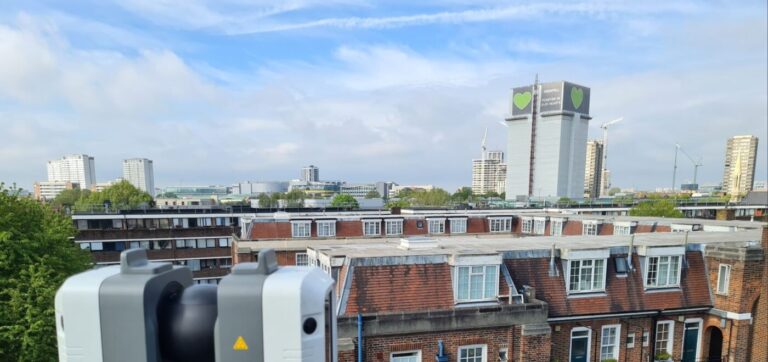
Subcontractors use 3D models to understand exact installation needs. They reduce mistakes by referencing clear digital layouts. Site teams track progress against the 3D model to confirm that the build matches the design. Laser scans often verify accuracy and feed updates back into the model. This creates a strong link between digital and physical work.
Robinson Pools & Fitness LOD 4 Revit Model
RIBA STAGE 6-7: HANDOVER, USE & POST-OCCUPANCY
At handover, 3D models become part of the building’s digital record and golden thread of information. Facilities teams gain a clear view of every component. They can check locations, materials, and maintenance details with one click.
During Stage 7, 3D models support long-term use. Facilities teams can plan repairs, upgrades, or extensions with better information. Energy reviews and operational assessments also benefit from accurate digital data. The building’s lifecycle becomes easier to manage and more cost-effective.
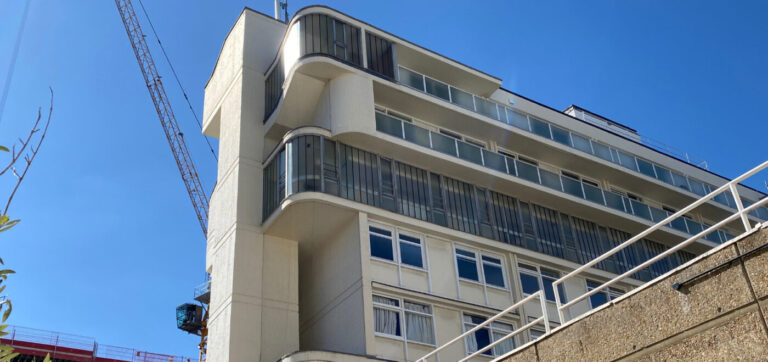
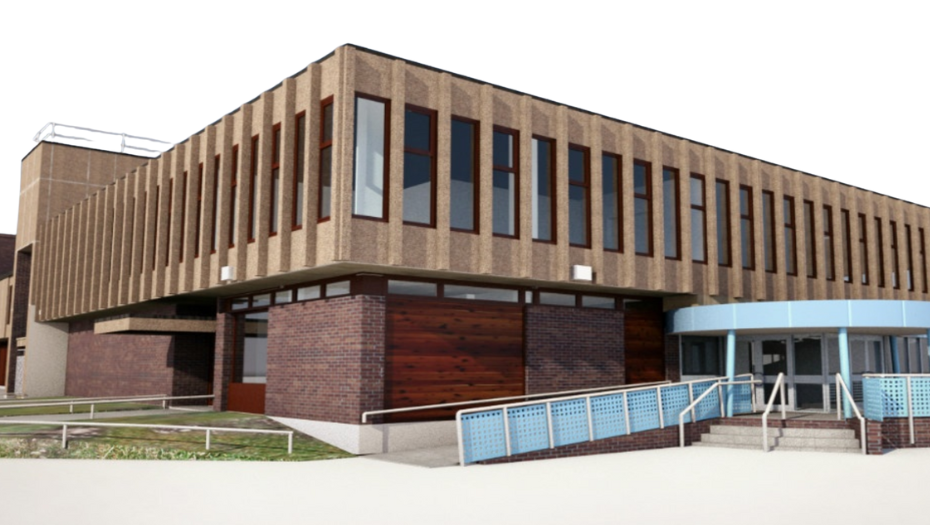
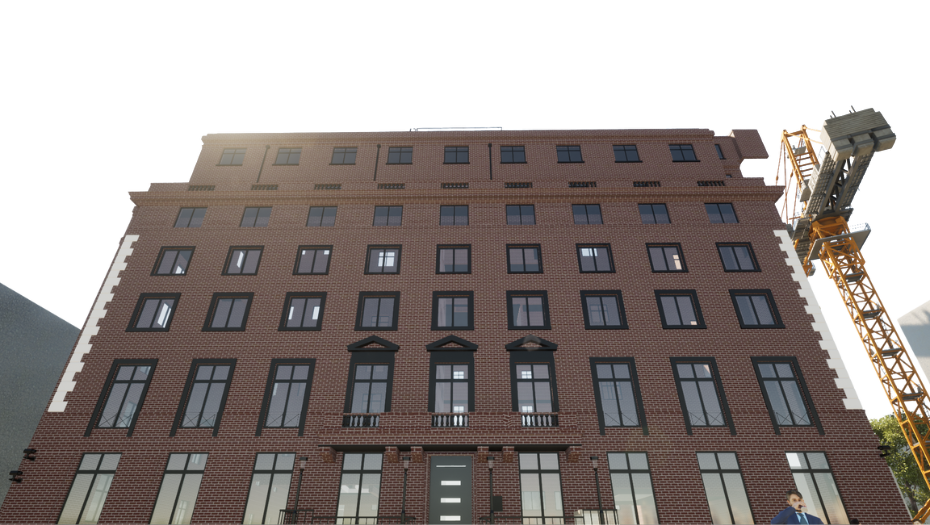
LOD 3 Revit Model
CONCLUSION
3D models strengthen every stage of the RIBA Plan of Work. They improve communication, support coordination, and help teams deliver better buildings. They complement CAD drawings and survey outputs, offering a rich visual and technical resource for all stakeholders. From first ideas to long-term building care, 3D models deliver clear value and reliable insight.

 Skip to content