...

01732 458799

website@spatial-dimensions.com

SUSTAINABLE HEALTHCARE: GREEN BUILDING TRENDS IN HOSPITAL DESIGN

August 12, 2025

As the UK works toward a net-zero future, the healthcare sector has a key role in reducing the built environment’s environmental impact. The NHS is targeting net-zero emissions by 2040. New hospital construction projects are already underway through the government’s New Hospital Programme. The push for sustainable healthcare design is urgent and essential.

At Spatial Dimensions, we work with architects, NHS Trusts, and healthcare developers to deliver accurate survey data that supports sustainable healthcare infrastructure. This article explores trends in eco-friendly materials, energy-efficient systems, and green certifications. It also highlights the critical role of surveying in creating future-ready healthcare buildings. You can view our sustainability pledge here.

ECO FRIENDLY MATERIALS

Healthcare facilities are among the most resource-intensive building types. Material selection is vital for reducing embodied carbon and supporting wellbeing. Key trends include:

  • Low-carbon materials such as timber-frame systems (where clinically appropriate), low-cement concrete, and responsibly sourced steel
  • Biophilic materials that use natural textures and colours to promote wellbeing in clinical spaces
  • Recycled and circular economy products for flooring, acoustic panels, and finishes, with high recycled content and transparent sourcing
  • Low-VOC paints and adhesives to improve air quality for patients and staff

Material choices in healthcare must meet strict health and safety standards. Sustainability can still be achieved without compromising those standards.

ENERGY EFFICIENT SYSTEMS

Hospitals, clinics, and treatment centres operate 24/7, so energy performance is critical. More UK healthcare projects are adopting energy-efficient systems to reduce carbon emissions and protect operational budgets.

Sustainable strategies include:

  • Fabric-first design with high insulation, quality glazing, and airtight construction
  • Mechanical ventilation with heat recovery (MVHR) to minimise energy waste while ensuring required air changes
  • On-site renewables such as solar PV, air-source heat pumps, and combined heat and power (CHP) systems
  • Advanced Building Management Systems (BMS) to optimise lighting, HVAC, and energy use based on real-time needs
  • Green roofs and stormwater management to improve thermal performance and enhance biodiversity

Integrating these systems reduces carbon footprints while improving comfort, air quality, and resilience against rising energy costs.

GREEN CERTIFICATIONS

Third-party certification helps healthcare projects demonstrate environmental and patient-focused performance. Common UK certifications include:

  • BREEAM – the most widely used benchmark for healthcare buildings
  • NABERS UK – for validating operational energy performance
  • WELL Building Standard – prioritising health and wellbeing in design
  • Passivhaus (Healthcare-specific) – delivering ultra-low energy consumption in suitable facilities

These certifications help secure funding, comply with NHS net-zero roadmaps, and reduce lifetime costs.

THE CRITICAL ROLE OF SURVEYS IN SUSTAINABLE HEALTHCARE DESIGN

High-performing healthcare environments start with high-quality data. At Spatial Dimensions, we provide specialist surveys to support every project phase, from masterplanning to post-occupancy review.

We offer:

  1. Topographical & Site Surveys – detailed site data to support optimal building placement, solar gain, and flood risk reduction
  2. Measured Building Surveys – precise 2D and 3D records to enable asset retention and minimise demolition waste
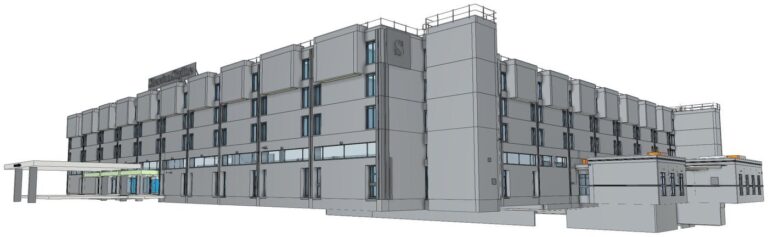
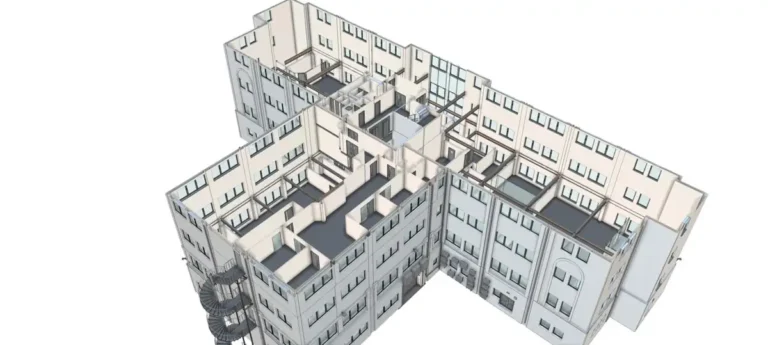
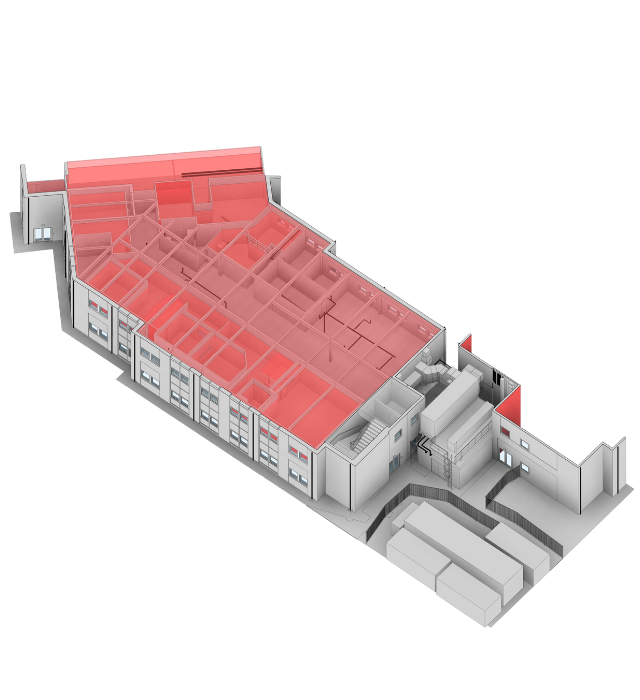
  3. Laser Scanning & BIM Models – for design coordination, sustainability simulations, and clash detection
  4. Underground Utility Surveys – mapping services to prepare for new green systems like heat pumps or rainwater harvesting

Survey work is integral to supplying and supporting green outcomes. The leads to a number of benefits for our clients. 

Healthier environments reduce stress and improve staff well-being. They also ensure costs are reduced, facilities enhance community trust, and buildings become more adaptable. Overall, sustainable healthcare means better patient outcomes, improved working conditions, and more effective use of resources.

We have delivered projects across the UK, from GP surgeries and mental health units to major hospital redevelopments. Our surveys help design teams deliver data-driven, sustainable solutions. Whether you are planning a new low-carbon facility or upgrading an existing one, we provide the insight and precision needed to meet sustainability goals.

A SHARE COMMITMENT: THE UK GREEN BUILDING COUNCIL

Spatial Dimensions is a proud member of the UK Green Building Council. This membership reflects our commitment to advancing sustainable construction in healthcare and beyond. The Council’s mission aligns closely with our own: to create buildings that are efficient, healthy, and environmentally responsible. By following these shared values, we help our clients design and deliver projects that benefit people, the planet, and the long-term resilience of the healthcare sector.

Spatial Dimensions