Skip to content
THE BRIEF
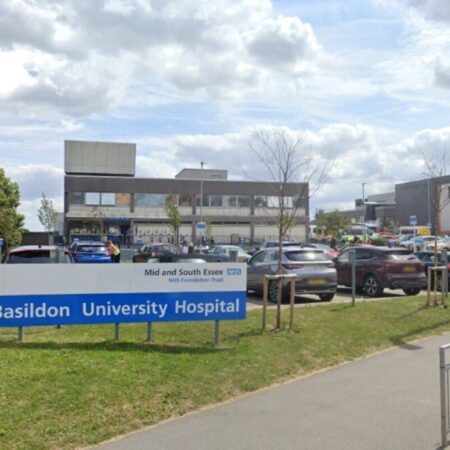
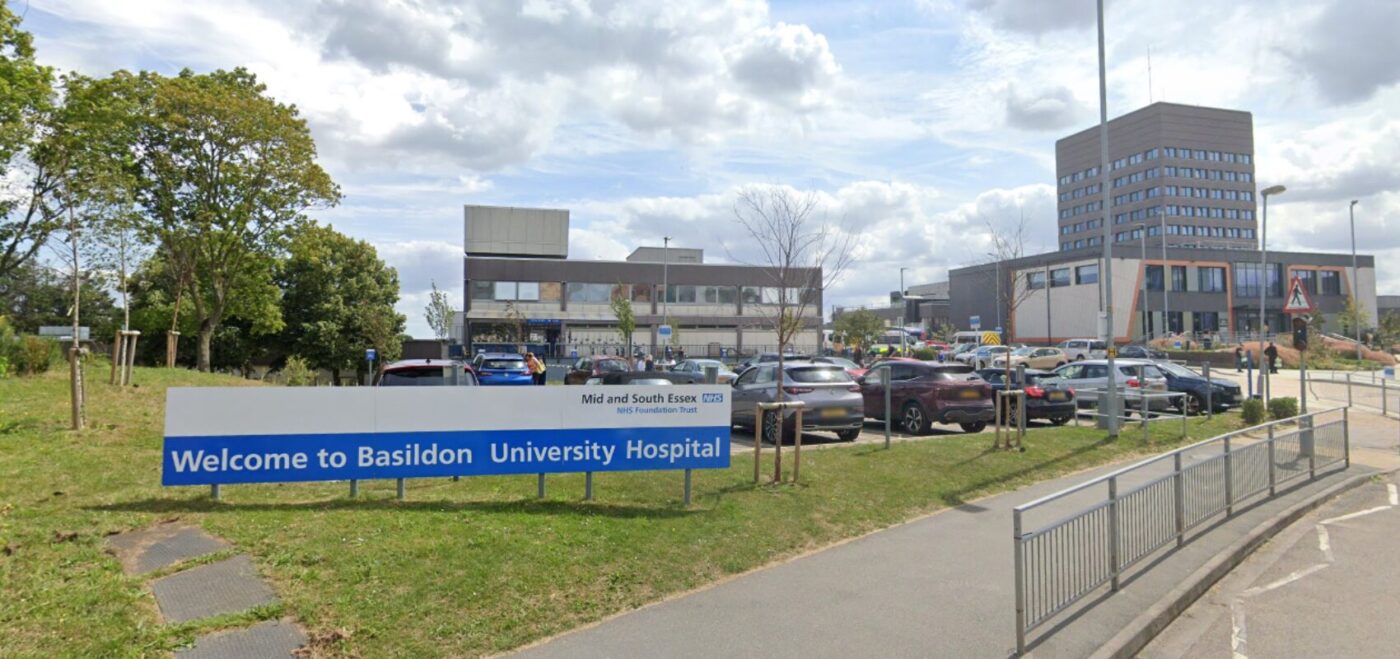
Spatial Dimensions was appointed by HMY (Hazle McCormack Young) Architects on behalf of Mid and South Essex NHS Foundation Trust to deliver detailed hospital surveys at Basildon University Hospital.
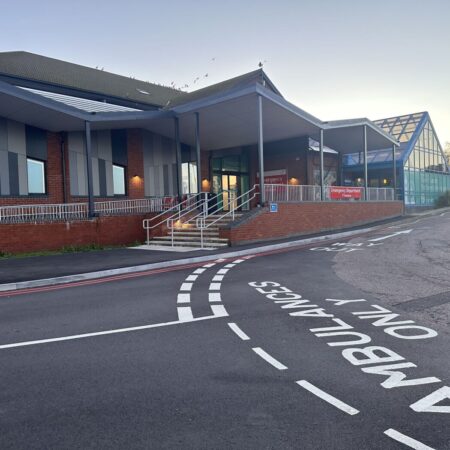
Basildon Hospital is a major acute facility serving south Essex, with over 720 inpatient beds. The campus spans approximately 25 hectares and includes clinical wards, theatres, outpatient facilities, plant infrastructure and supporting buildings.
The Trust required accurate, fully coordinated survey data across the whole site, including specific areas such as theatres, the emergency department, and roofs. The surveys needed to reflect the current condition of buildings and external areas.
Pre-planning and effective communication were paramount before entering a live hospital environment.
OUR WORK
Comprehensive hospital surveys were delivered across the Basildon Hospital estate throughout 2024 and 2025.
As the hospital remained fully operational, all works had to be carried out safely within a live clinical environment. We worked closely with the hospital’s project management and estates teams to deliver the surveys efficiently and safely. Our project management team had full team briefings to ensure we didn’t disrupt the running of the hospital. Our extensive work in the healthcare sector ensured all surveys were carried out with great care, accuracy and speed.
We carried out extensive Measured Building, Underground Utility, and Topographical Surveys across the campus.
MEASURED BUILDING SURVEYS
The measured building surveys captured high-density point cloud data to accurately record dimensions and building conditions.
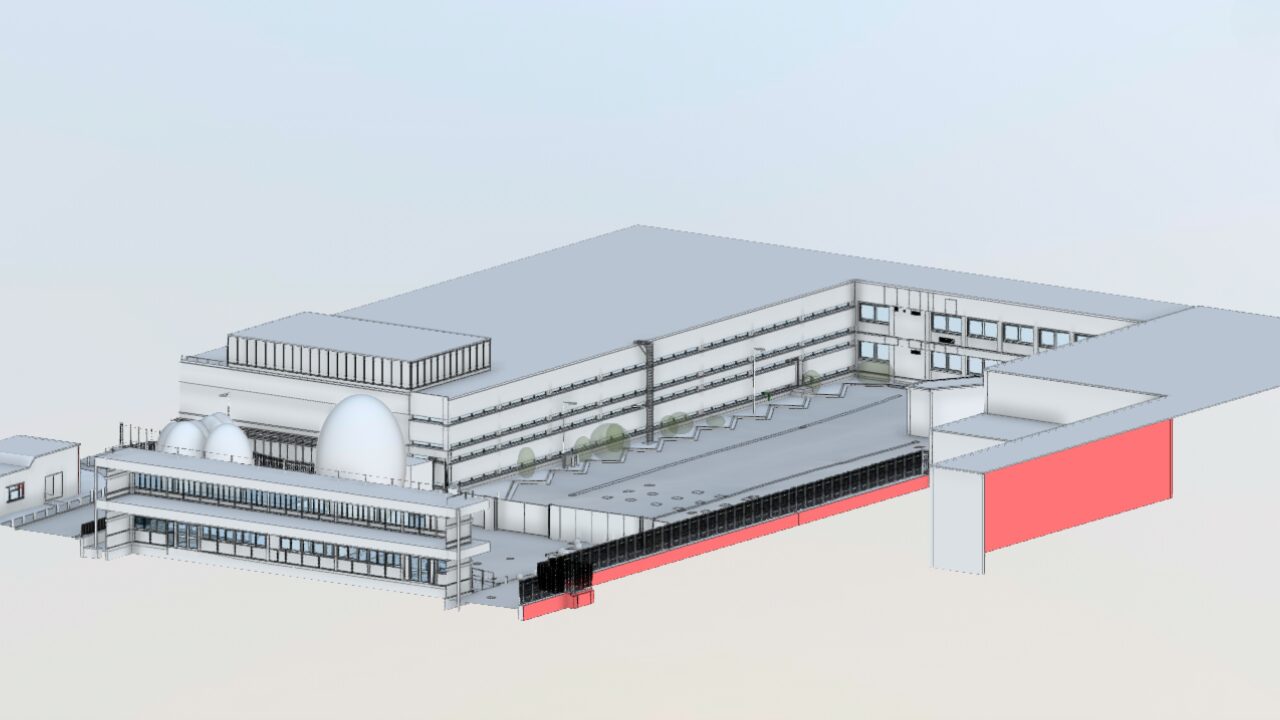
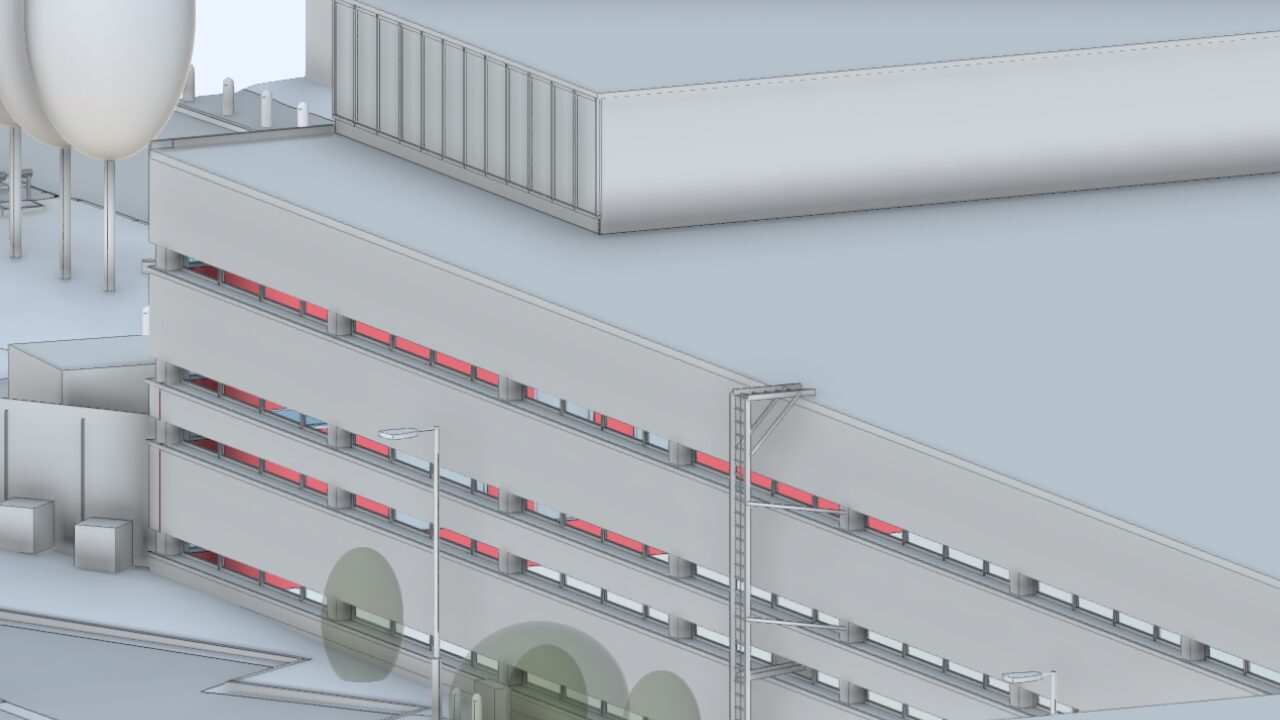
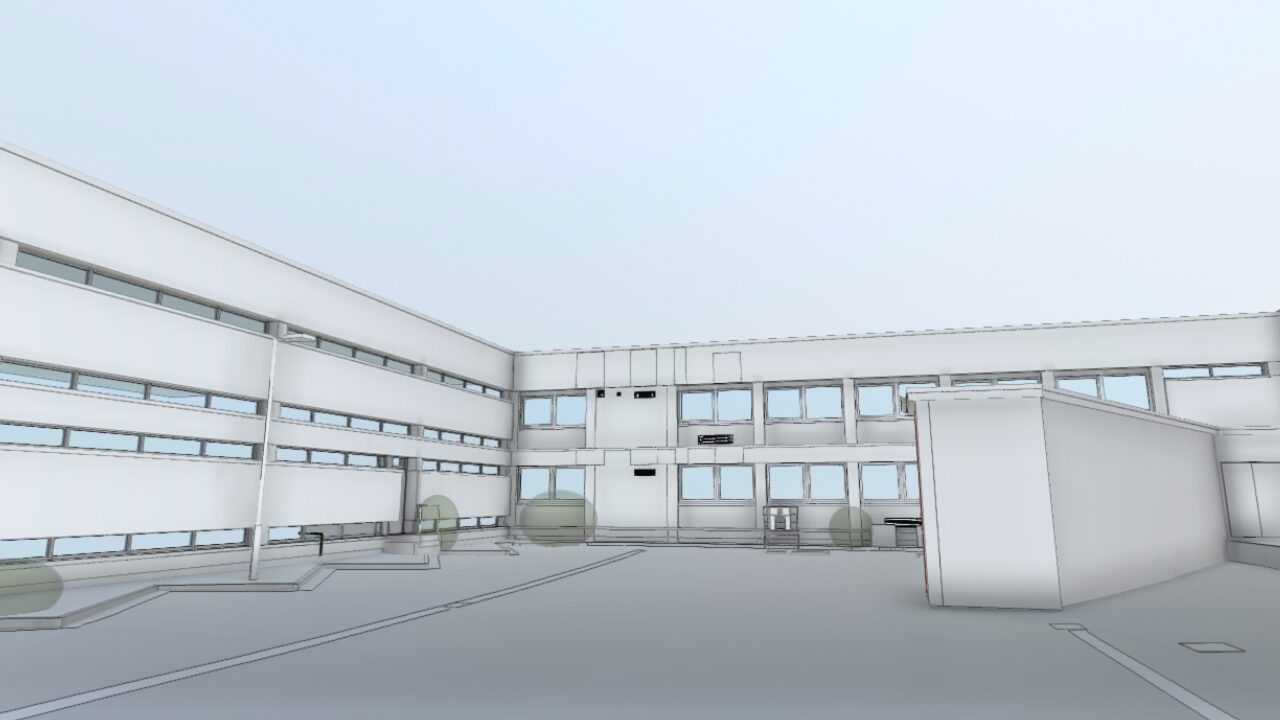
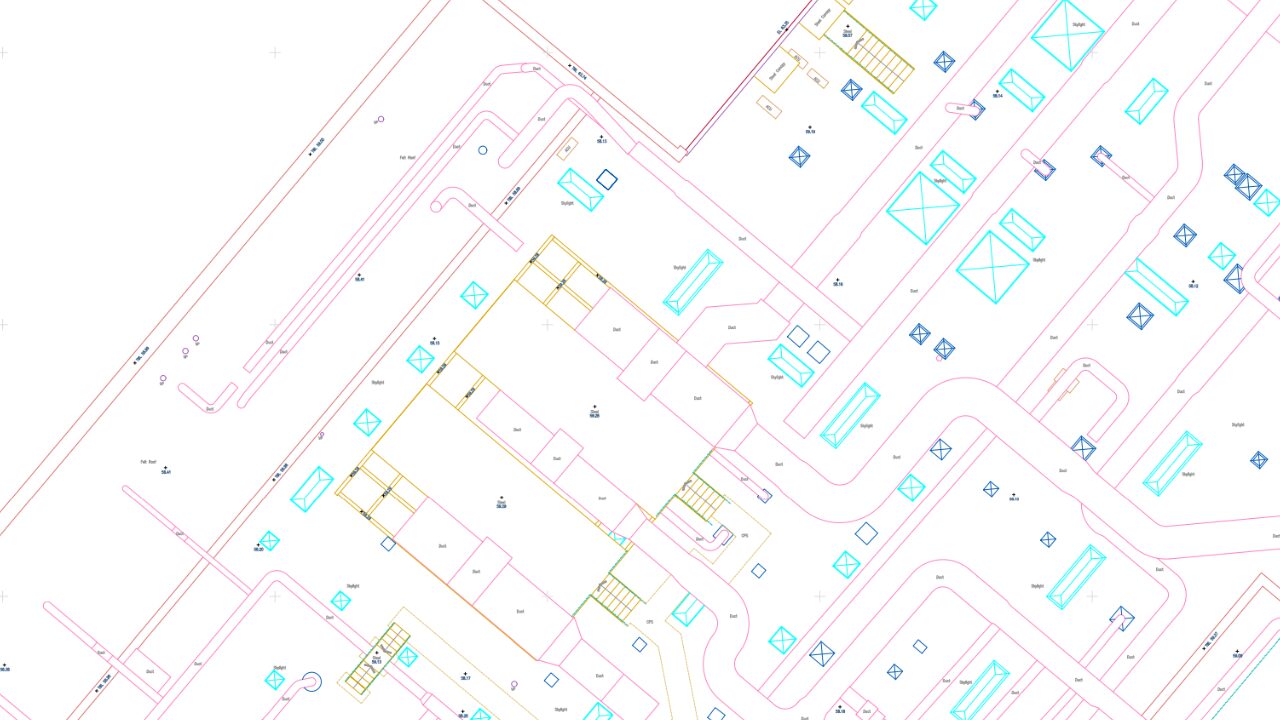
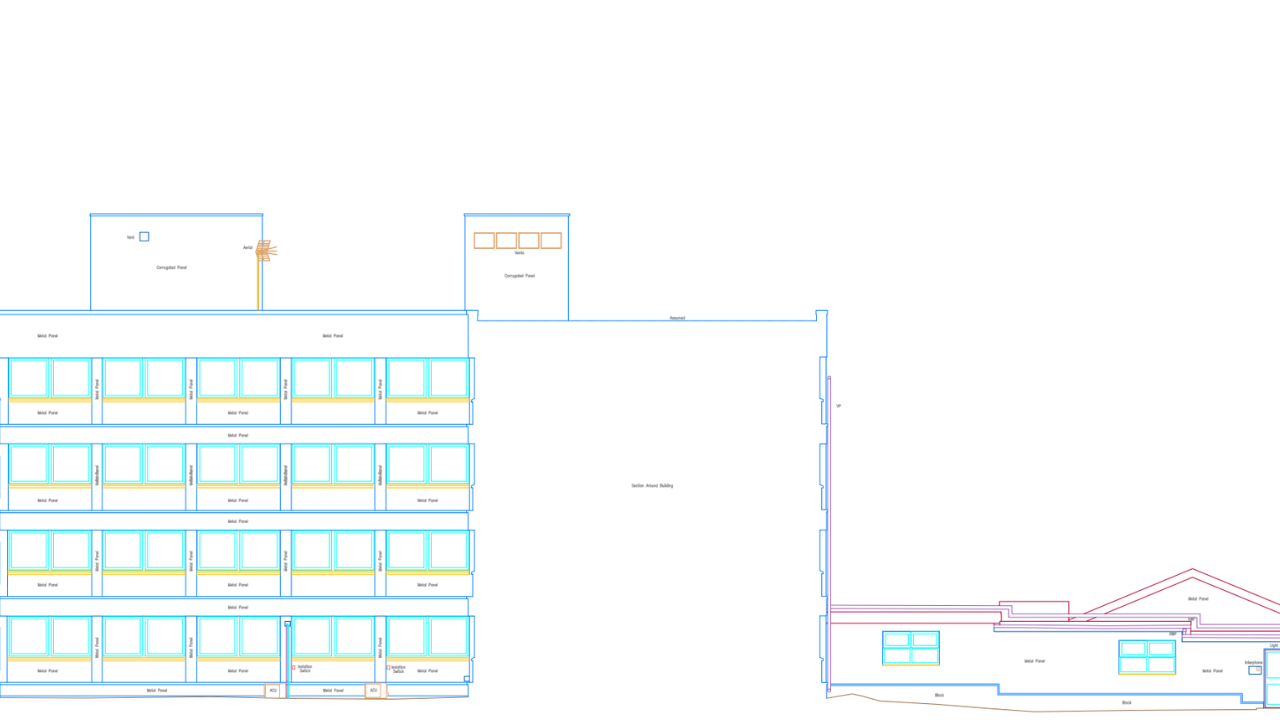
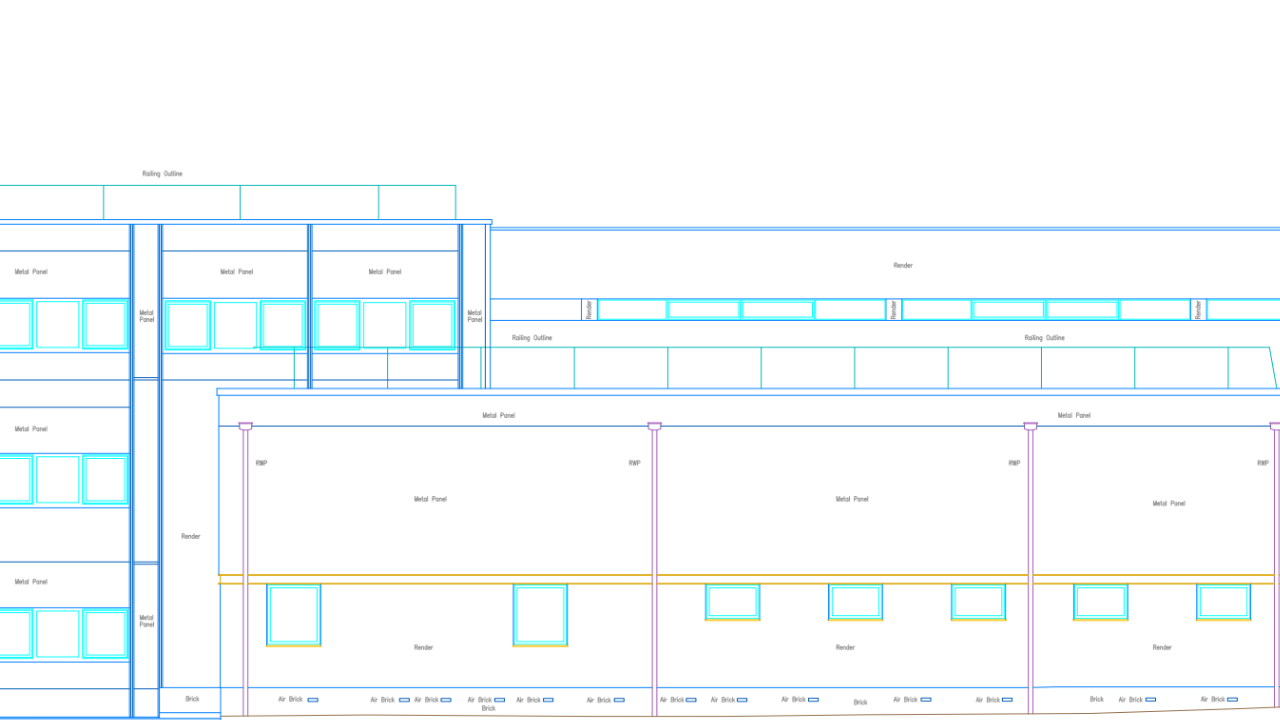
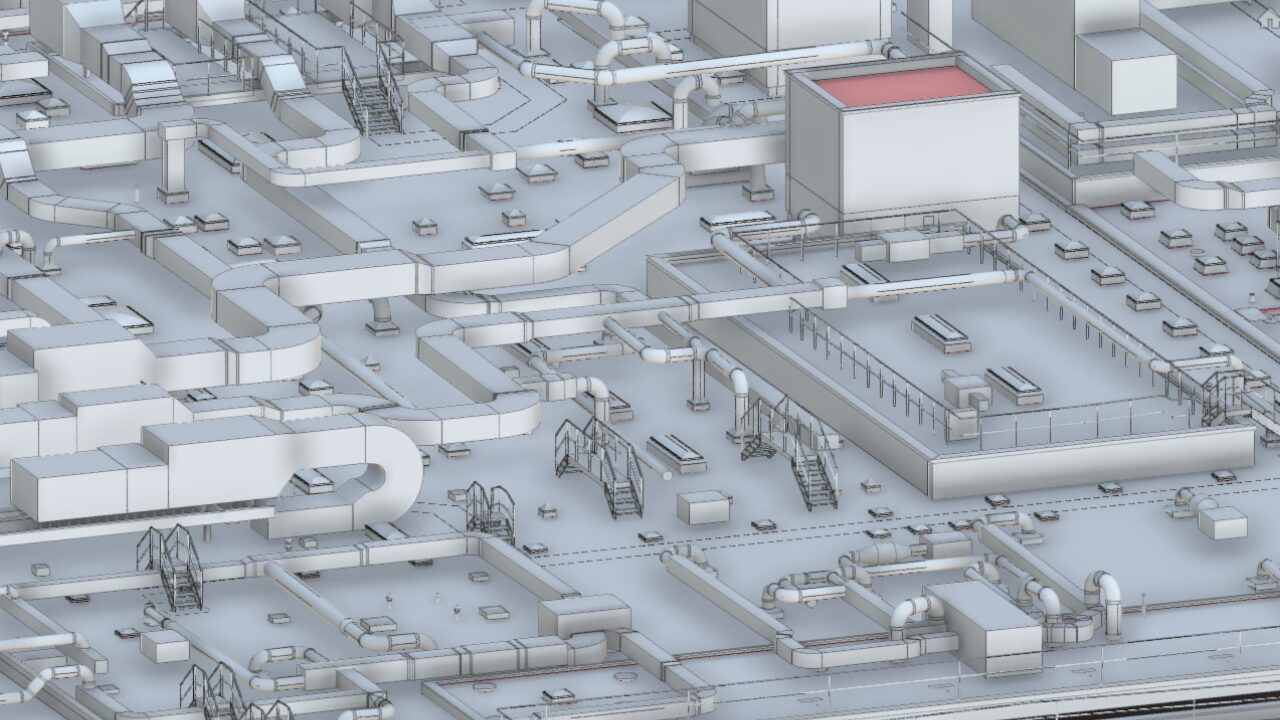
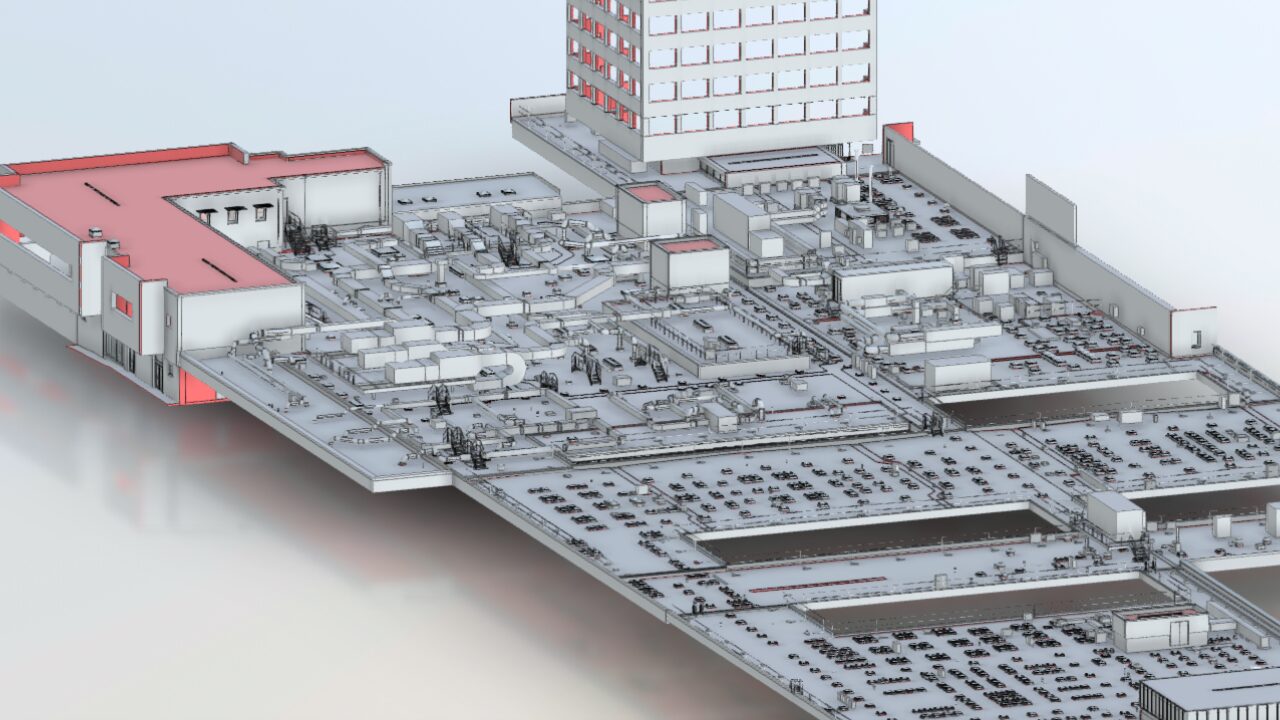
From the data, we produced 1:50 floor plans, 1:50 elevations, and detailed roof plans. We also developed fully coordinated Revit models at LOD 3 to support the architects’ design process.
These hospital surveys gave the design team confidence in design and construction decisions from the outset. They reduced assumptions, avoided clashes, and enabled rapid verification of building dimensions. Accurate 2D CAD drawings and BIM models simplified coordination with contractors, ensuring efficient project delivery.
UNDERGROUND UTILITY SURVEYS
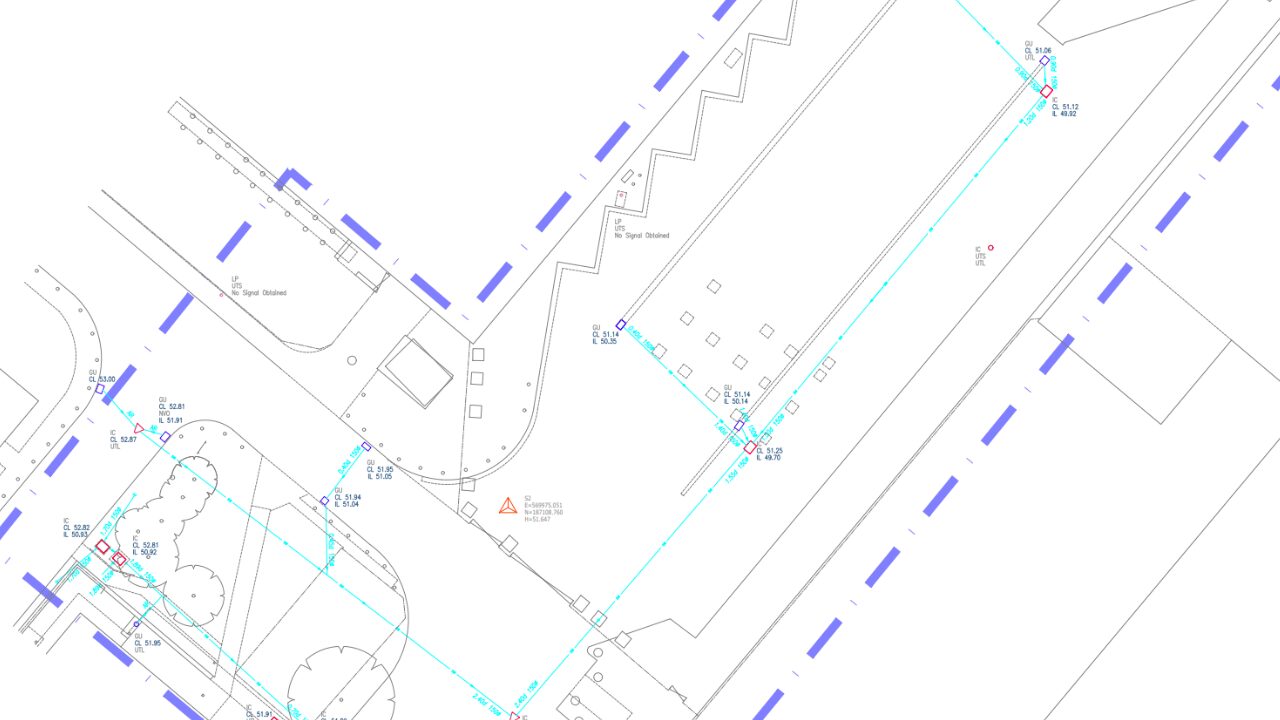
We carried out detailed underground utility surveys across the site, including service routes beneath critical areas. The work started with desktop utility searches and statutory records, followed by Ground Penetrating Radar (GPR) and Electromagnetic Location (EML) surveys.
We delivered all underground utility data in 1:100 and 1:200 CAD drawings. These surveys traced, verified, and mapped underground services, reducing the risk of service strikes during construction. Early identification of constraints allowed the design team to plan works safely and avoid costly delays.
TOPOGRAPHICAL SURVEYS
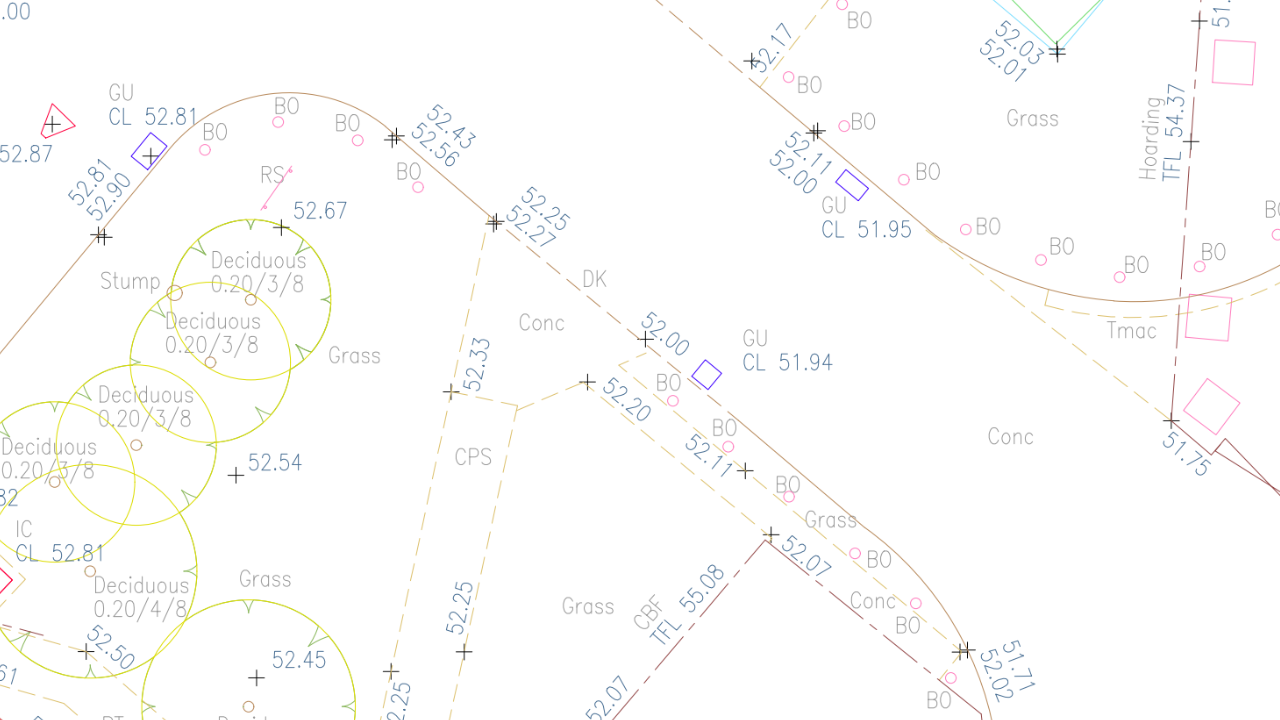
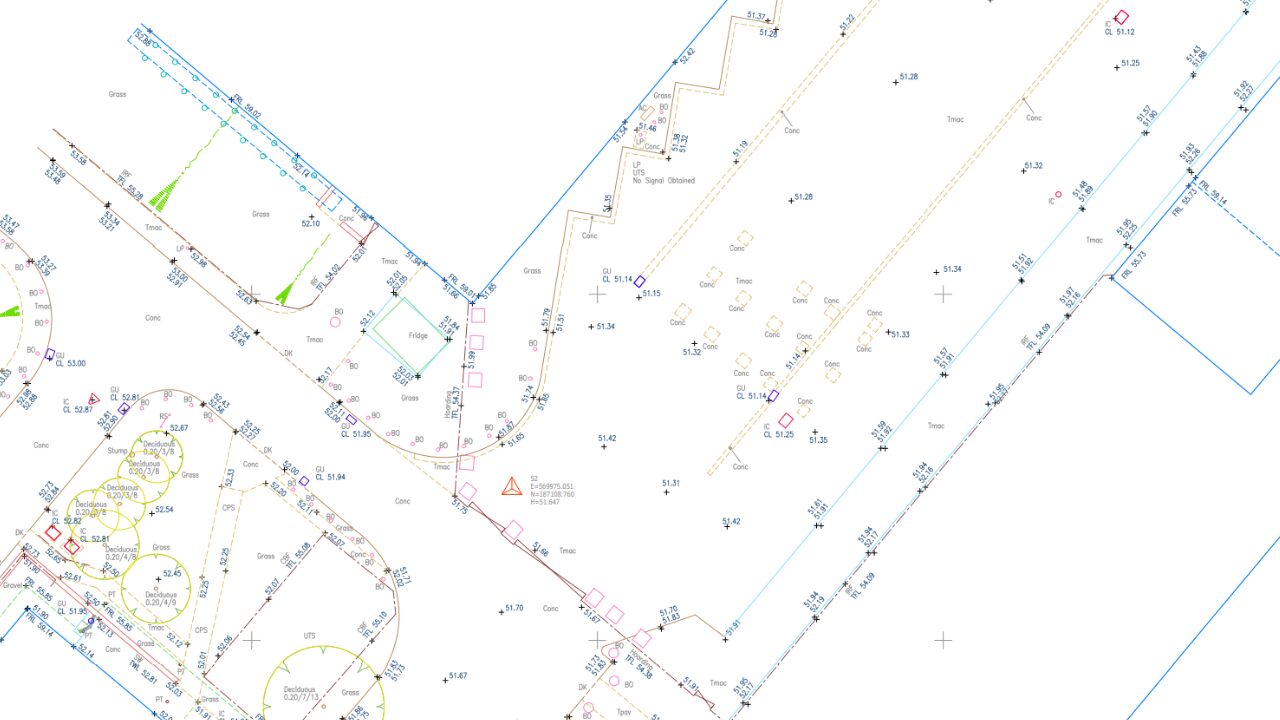
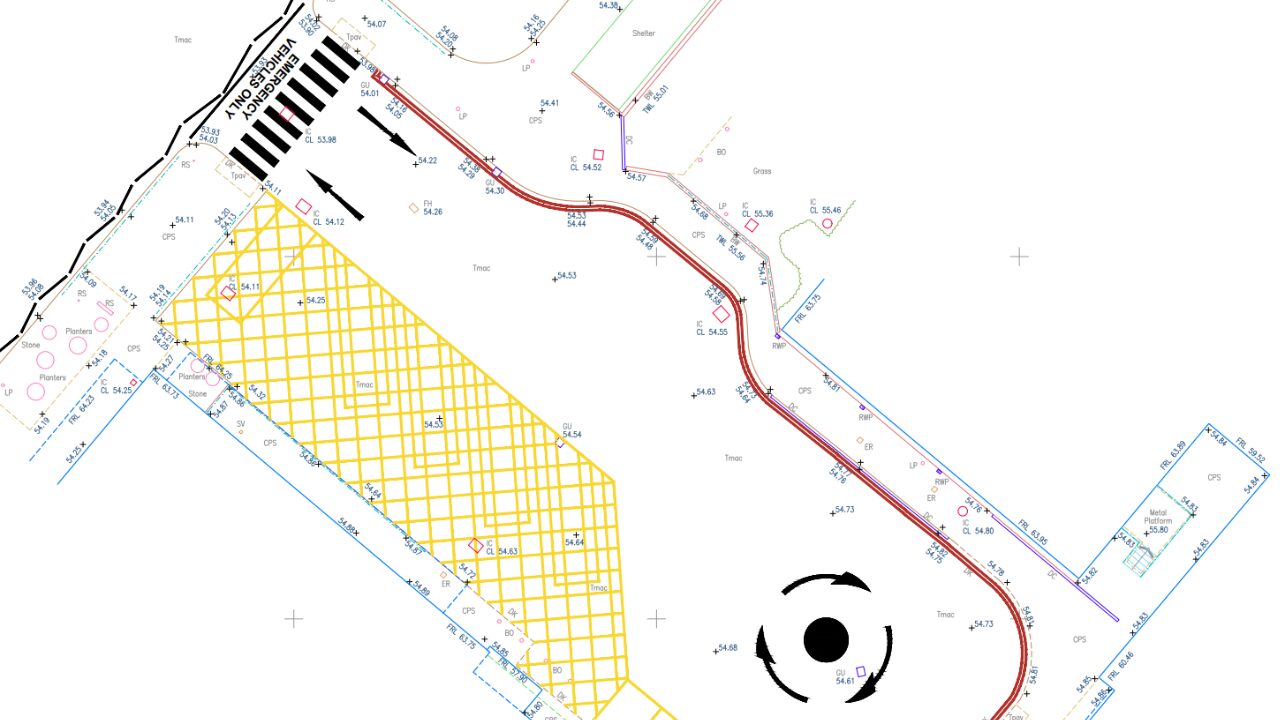
We completed full topographical surveys across the hospital campus and established a robust site-wide control network. Surveys captured ground levels, site features, boundaries, and access routes.
Accurate topographical data is vital for hospital redevelopment. It informs drainage and external works design, supports integration between new and existing infrastructure, and ensures all survey data aligns within a consistent control framework. The control network allowed seamless coordination between measured building, utility, and topographical surveys.
BENEFITS TO OUR CLIENTS
- Provided confidence in design and construction decisions from the outset
- Reduced assumptions and prevented design clashes
- Enabled rapid verification of dimensions and building conditions using point cloud data
- Simplified coordination with contractors through accurate 2D CAD drawings
- Ensured safe and compliant working practices in a live hospital environment
- Streamlined decision-making and improved project efficiency
- Supported long-term asset performance and reduced risk

THE OUTCOME
A fully coordinated and verified package of hospital surveys were delivered, aligning
Working safely within a live acute hospital over two years demonstrated our ability to manage complex healthcare environments while maintaining precision and clear communication. The result provides a dependable digital foundation for ongoing redevelopment and ensures the Trust can make informed, risk-managed decisions.